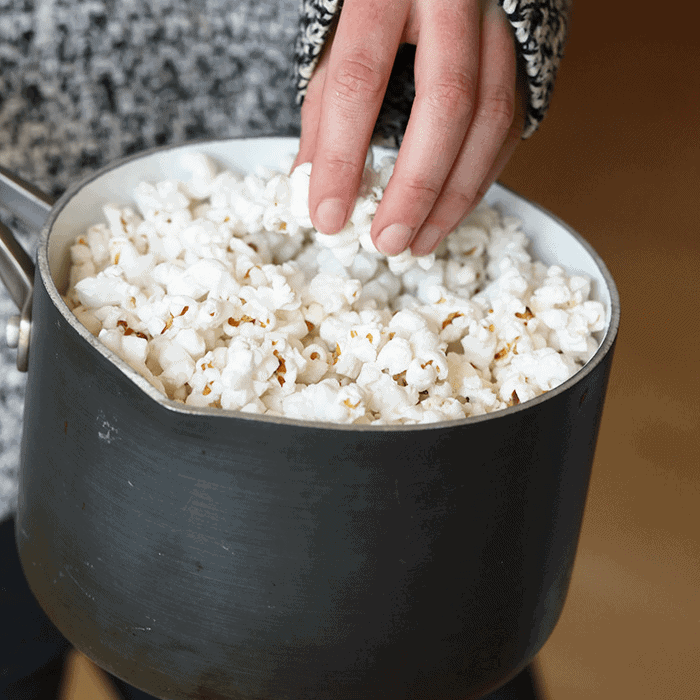
There's nothing quite like the aroma and taste of freshly popped popcorn. While microwave bags offer convenience, they often fall short on flavor, texture, and the wholesome satisfaction of a homemade snack. Mastering the art of stovetop popcorn, however, can elevate your movie nights, snack times, and even impromptu gatherings to a whole new level. It might seem intimidating at first – visions of burnt kernels or overflowing pots might dance in your head – but with the right tools and a few simple techniques, you'll be popping perfect, airy kernels every single time. Consider this your ultimate guide, a comprehensive "kitchen hack" to perfect your stovetop popcorn game, delving deep into the unsung heroes of the process: your choice of oil and pot.
The Essential Toolkit: Unlocking Your Perfect Pop with the Right Pot
Before you even think about kernels or oil, the foundation of great stovetop popcorn lies in your choice of pot. This isn't just any pot; it's a crucial component that dictates heat distribution, kernel expansion, and ultimately, the success of your batch. Forget the flimsy options; we're looking for a workhorse.
Size Matters: Accommodating the Pop
Popcorn kernels undergo a dramatic transformation, expanding significantly in volume. A good rule of thumb is that 1/2 cup of unpopped kernels will yield approximately 10-12 cups of fluffy popcorn. This means your pot needs ample headspace to prevent overcrowding and ensure even popping. For most home batches (serving 2-4 people), a medium to large pot, typically 4-6 quarts, is ideal. Using a pot that's too small will result in kernels escaping or becoming dense and chewy due to lack of space.
Material and Construction: Heat Distribution is Key
- Heavy-Bottomed Stainless Steel: This is often the gold standard. Stainless steel, especially with an encapsulated aluminum or copper base, provides excellent, even heat distribution. This consistency is vital for preventing hot spots that can burn kernels while others remain unpopped. It's durable, easy to clean, and a versatile addition to any kitchen.
- Non-Stick Pots: While some find non-stick surfaces appealing for easy cleanup, exercise caution. Lower quality non-stick coatings can degrade under the medium-high heat required for popcorn, potentially releasing unwanted fumes. If you opt for non-stick, choose a high-quality, PFOA-free option designed to withstand higher temperatures.
- Cast Iron: A seasoned cast iron pot can also work beautifully. Its exceptional heat retention ensures a stable temperature, but it takes longer to heat up and respond to temperature changes. It can also be quite heavy to shake, which is an important step in stovetop popping.
The Indispensable Lid: Your Secret Weapon
Perhaps the most critical feature of your popcorn pot is a tight-fitting lid. Why?
- Containment: Keeps those lively popping kernels from flying across your kitchen.
- Steam Retention: A good lid helps trap steam, which contributes to the light, airy texture of the popped corn. However, too much trapped steam can lead to soggy popcorn, so some enthusiasts advocate for cracking the lid slightly once popping is in full swing (more on this in the tips section).
- Monitoring (Optional but Helpful): A clear glass lid allows you to observe the popping action without releasing heat or steam, helping you gauge when to remove the pot from the heat.
My personal favorite? A Calphalon nonstick pot with a sturdy, tight-fitting lid has served me well for years, offering both even heat and easy cleanup without concern for sticking. Remember, a good lid is truly non-negotiable for a successful stovetop popcorn experience.
Fueling the Flavor: Choosing the Best Oil for Stovetop Popcorn
The oil you choose does more than just facilitate the popping process; it's a significant contributor to the flavor and overall quality of your popcorn. This is where a small "kitchen hack" in oil selection can make a huge difference.
Why Oil is Essential (and What It Does)
Oil serves multiple purposes when making popcorn:
- Heat Transfer: It conducts heat efficiently and evenly to the kernels, ensuring a consistent pop.
- Flavor Infusion: The oil's inherent flavor, however subtle, transfers to the popcorn, enriching its taste.
- Texture: A slight oil coating can help seasonings adhere better and contribute to a satisfying mouthfeel.
The Best High-Heat, Light-Flavor Oils
When selecting your oil, prioritize those with a high smoke point. A high smoke point means the oil can be heated to medium-high temperatures without burning, smoking, or developing off-flavors. It also helps prevent the formation of harmful compounds.
- Avocado Oil: This is often touted as one of the best options. Avocado oil boasts an incredibly high smoke point (around 520°F or 271°C) and has a very neutral flavor, allowing the natural taste of the popcorn to shine through. It's a fantastic choice for those who want a pure popcorn experience.
- Light Olive Oil (Not Extra Virgin): While extra virgin olive oil has a delicious flavor, its lower smoke point (around 375°F or 190°C) makes it less ideal for popcorn. Light or refined olive oil, however, has a higher smoke point (up to 470°F or 243°C) and a milder flavor, making it a great option. It adds a subtle richness that complements the popcorn well.
- Coconut Oil: For a unique flavor profile, coconut oil is an excellent choice. It has a smoke point around 350-400°F (177-204°C) and imparts a distinct, slightly sweet, and buttery taste that many find irresistible, reminiscent of movie theater popcorn. If you're looking for a specific flavor, this is a top contender.
- Grapeseed Oil: Another neutral-flavored oil with a high smoke point (around 420°F or 216°C), grapeseed oil is a healthy and effective option for popcorn.
Oils to Avoid (and Why)
Steer clear of oils with low smoke points or very strong flavors that might overpower your popcorn. This includes extra virgin olive oil (unless you're very careful with heat), unrefined sesame oil, or butter (butter burns easily; add it melted after popping for best results).
The "No Oil" Popcorn Debate
Believe it or not, it is possible to pop popcorn without oil! This method is often favored by those looking to reduce fat intake. While it works, there are a few caveats:
- Flavor: The popcorn will naturally have a plainer flavor profile.
- Evenness: Some find that oil-free popcorn pops less evenly, with more unpopped kernels remaining.
- Seasoning Adhesion: Without the slight oil coating, seasonings might not stick as well.
If you choose to go oil-free, you'll still need a heavy-bottomed pot and careful heat management. For a comprehensive guide on achieving fluffy results with or without oil, check out Stovetop Popcorn Made Easy: Avoid Burning & Get Fluffy Results. This article provides further insights into avoiding those common pitfalls.
Mastering the Pop: A Step-by-Step Stovetop Method
With your ideal pot and oil selected, let's walk through the simple, yet effective, steps to achieve perfect stovetop popcorn. For a visual guide and a complete "kitchen hack how to pop popcorn on the stove top video," many online resources complement these steps perfectly.
- Prep Your Pot: Place your medium to large pot with a lid over medium-high heat. Drizzle in your chosen oil. A good ratio is 1-2 tablespoons of oil per 1/2 cup of kernels. Ensure the oil coats the bottom of the pot evenly.
- The Test Kernels: This is a crucial step! Add just 2-3 popcorn kernels to the pot, cover it, and wait. When these test kernels pop, it signifies that your oil and pot have reached the optimal temperature for popping. This prevents prematurely adding all kernels to oil that's too cold (resulting in tough popcorn) or too hot (leading to burnt kernels).
- Add the Rest: Once the test kernels pop, remove the pot briefly from the heat. Add the remaining kernels (e.g., 1/2 cup) and a pinch of fine salt (optional, but a good base flavor). Shake the pot gently to coat all kernels in oil and distribute them in a single layer.
- The Pop Begins: Return the pot to the medium-high heat, keeping the lid on. The kernels will begin to pop. Make sure to gently shake the pot back and forth or in a circular motion every 15-20 seconds. This continuous movement helps prevent kernels from burning on the bottom and ensures a more even pop.
- Listen and Finish: Continue shaking until the frantic popping slows down to about one pop every 2-3 seconds. Immediately remove the pot from the heat. Keeping it on too long will result in burnt popcorn.
- Season and Serve: Pour the hot popcorn into a large bowl. Season immediately with more salt, melted butter, nutritional yeast, or your favorite spices. The heat of the popcorn helps seasonings adhere.
And if you're aiming for speed without sacrificing quality, don't miss our comprehensive tutorial, How to Make Perfect Stovetop Popcorn in Under 10 Minutes, which guides you through achieving perfect results in record time.
Beyond the Basics: Tips for Popcorn Perfection
- Fresh Kernels: Old kernels often result in more "old maids" (unpopped kernels) and less fluffy popcorn. Store kernels in an airtight container in a cool, dark place to maintain freshness.
- Don't Overcrowd: Resist the urge to add too many kernels. Overcrowding lowers the pot's temperature, leads to uneven popping, and can result in chewy, under-popped corn. Stick to the 1/2 cup kernel rule for a 4-6 quart pot.
- Ventilation for Crispiness: To combat any potential sogginess from trapped steam, some chefs recommend slightly cracking the lid after active popping begins. You can do this by offsetting the lid or using a wooden spoon handle to create a small gap. This allows steam to escape while still containing the popping kernels.
- Fine Salt is Your Friend: Regular coarse salt tends to fall to the bottom of the bowl. Opt for fine-grain popcorn salt or grind your regular salt in a spice grinder for better adhesion to the popcorn.
- Pre-Heat the Pot Alone: Some find that pre-heating the empty pot for a minute or two before adding oil helps achieve more consistent heat from the start.
Making popcorn on the stovetop is a simple pleasure that, once mastered, you'll never want to give up. By focusing on the right pot and selecting an appropriate oil, you lay the groundwork for consistently perfect, fluffy, and flavorful popcorn. With these tips and techniques, you're now equipped with the ultimate "kitchen hack how to pop popcorn on the stove top video"-worthy knowledge to impress your friends, delight your family, and enjoy a truly superior snack. So grab your pot, choose your oil, and get ready to unlock your perfect pop!
